THE PENTECOST DAY
ANTI-BLASPHEMY CENTRAL
FROM THE ACTS OF THE APOSTLES: 2,1-47
2:1And when the day of Pentecost was now come, they were all together in one place. 2:2And suddenly there came from heaven a sound as of the rushing of a mighty wind, and it filled all the house where they were sitting. 2:3And there appeared unto them tongues parting asunder, like as of fire; and it sat upon each one of them. 2:4And they were all filled with the Holy Spirit, and began to speak with other tongues, as the Spirit gave them utterance. 2:5Now there were dwelling at Jerusalem Jews, devout men, from every nation under heaven. 2:6And when this sound was heard, the multitude came together, and were confounded, because that every man heard them speaking in his own language. 2:7And they were all amazed and marvelled, saying, Behold, are not all these that speak Galilaeans? 2:8And how hear we, every man in our own language wherein we were born? 2:9Parthians and Medes and Elamites, and the dwellers in Mesopotamia, in Judaea and Cappadocia, in Pontus and Asia, 2:10in Phrygia and Pamphylia, in Egypt and the parts of Libya about Cyrene, and sojourners from Rome, both Jews and proselytes, 2:11Cretans and Arabians, we hear them speaking in our tongues the mighty works of God. 2:12And they were all amazed, and were perplexed, saying one to another, What meaneth this? 2:13But others mocking said, They are filled with new wine. 2:14But Peter, standing up with the eleven, lifted up his voice, and spake forth unto them, saying, Ye men of Judaea, and all ye that dwell at Jerusalem, be this known unto you, and give ear unto my words. 2:15For these are not drunken, as ye suppose; seeing it is but the third hour of the day. 2:16but this is that which hath been spoken through the prophet Joel:
2:17And it shall be in the last days, saith God,
I will pour forth of my Spirit upon all flesh:
And your sons and your daughters shall prophesy,
And your young men shall see visions,
And your old men shall dream dreams:
2:18Yea and on my servants and on my handmaidens in those days
Will I pour forth of my Spirit; and they shall prophesy.
2:19And I will show wonders in the heaven above,
And signs on the earth beneath;
Blood, and fire, and vapor of smoke:
2:20The sun shall be turned into darkness,
And the moon into blood,
Before the day of the Lord come,
That great and notable day.
2:21And it shall be, that whosoever shall call on the name of the Lord shall be saved.
2:22Ye men of Israel, hear these words: Jesus of Nazareth, a man approved of God unto you by mighty works and wonders and signs which God did by him in the midst of you, even as ye yourselves know; 2:23him, being delivered up by the determinate counsel and foreknowledge of God, ye by the hand of lawless men did crucify and slay: 2:24whom God raised up, having loosed the pangs of death: because it was not possible that he should be holden of it. 2:25For David saith concerning him,
I beheld the Lord always before my face;
For he is on my right hand, that I should not be moved:
2:26Therefore my heart was glad, and my tongue rejoiced;
Moreover my flesh also shall dwell in hope:
2:27Because thou wilt not leave my soul unto Hades,
Neither wilt thou give thy Holy One to see corruption.
2:28Thou madest known unto me the ways of life;
Thou shalt make me full of gladness with thy countenance.
2:29Brethren, I may say unto you freely of the patriarch David, that he both died and was buried, and his tomb is with us unto this day. 2:30Being therefore a prophet, and knowing that God had sworn with an oath to him, that of the fruit of his loins he would set one upon his throne; 2:31he foreseeing this spake of the resurrection of the Christ, that neither was he left unto Hades, nor did his flesh see corruption. 2:32This Jesus did God raise up, whereof we all are witnesses. 2:33Being therefore by the right hand of God exalted, and having received of the Father the promise of the Holy Spirit, he hath poured forth this, which ye see and hear. 2:34For David ascended not into the heavens: but he saith himself,
The Lord said unto my Lord, Sit thou on my right hand,
2:35Till I make thine enemies the footstool of thy feet.
2:36Let all the house of Israel therefore know assuredly, that God hath made him both Lord and Christ, this Jesus whom ye crucified. 2:37Now when they heard this, they were pricked in their heart, and said unto Peter and the rest of the apostles, Brethren, what shall we do? 2:38And Peter said unto them, Repent ye, and be baptized every one of you in the name of Jesus Christ unto the remission of your sins; and ye shall receive the gift of the Holy Spirit. 2:39For to you is the promise, and to your children, and to all that are afar off, even as many as the Lord our God shall call unto him. 2:40And with many other words he testified, and exhorted them, saying, Save yourselves from this crooked generation. 2:41They then that received his word were baptized: and there were added unto them in that day about three thousand souls. 2:42And they continued stedfastly in the apostles' teaching and fellowship, in the breaking of bread and the prayers. 2:43And fear came upon every soul: and many wonders and signs were done through the apostles. 2:44And all that believed were together, and had all things common; 2:45and they sold their possessions and goods, and parted them to all, according as any man had need. 2:46And day by day, continuing stedfastly with one accord in the temple, and breaking bread at home, they took their food with gladness and singleness of heart, 2:47praising God, and having favor with all the people. And the Lord added to them day by day those that were saved.
http://www.earlychristianwritings.com/text/acts-asv.html
http://groups.google.com/group/anti-blasphemy-central?hl=it
giovedì 15 maggio 2008


यू शाल रेसिवे पॉवर तिल जेसुस COMES
You Shall Receive Power Till Jesus Comes
ASCENSION-DAY
Acts 1:6-14
So when they met together, they asked him, "Lord, are you at this time going to restore the kingdom to Israel?" He said to them: "It is not for you to know the times or dates the Father has set by his own authority. But you will receive power when the Holy Spirit comes on you; and you will be my witnesses in Jerusalem, and in all Judea and Samaria, and to the ends of the earth." After he said this, he was taken up before their very eyes, and a cloud hid him from their sight. They were looking intently up into the sky as he was going, when suddenly two men dressed in white stood beside them. "Men of Galilee," they said, "why do you stand here looking into the sky? This same Jesus, who has been taken from you into heaven, will come back in the same way you have seen him go into heaven." Then they returned to Jerusalem from the hill called the Mount of Olives, a Sabbath day' s walk from the city. When they arrived, they went upstairs to the room where they were staying. Those present were Peter, John, James and Andrew; James the son of Alphaeus and Simon the Zealot, and Judas son of James. They all joined together constantly in prayer, along with the women and Mary the mother of Jesus, and his brothers.
In volume one of Luke's two-volume work, the Gospel According to Luke, he told the story of all that Jesus began to do and to teach. Now in volume two, the Acts of the Apostles, Luke is going to tell the story of what the risen, living, reigning Christ continues to do and teach through his Spirit and his witnesses.
To prepare the apostles to be his instruments he does four things:
he gives them a Spirit authenticated commandment (v. 2);
he verifies his resurrection from the dead by appearing to them for 40 days (v. 3);
he teaches them about the kingdom of God (v. 3); and
he promises to baptize them with the Holy Spirit (vv. 4–5).
The Disciples Ask a Reasonable Question
Now when the apostles hear the promise of the baptism with the Holy Spirit, they ask in verse 6, "Lord, will you at this time restore the kingdom to Israel?" In other words they knew that the Old Testament promise of the outpouring of God's Spirit was a promise for the last days when God would establish his kingdom on the earth and restore his people. For example, in Ezekiel 39 God says, "I will restore the fortunes of Jacob, and have mercy on the whole house of Israel . . . I will not hide my face any more from them, when I pour out my Spirit upon the house of Israel, says the Lord God" (vv. 25, 29). So when Jesus says that the long awaited outpouring of the Spirit—the baptism with the Holy Spirit—is just a few days away, they would naturally ask for a clarification: "Do you mean the end is that close? The final kingdom is about to be established in just a matter of weeks or months?"
This was not a foolish question, even though verse 3 says that Jesus had been with them for 40 days talking about the kingdom of God. Because, you remember, back in Luke 22:29–30, at the Last Supper Jesus had said, "As my Father assigned a kingdom to me, so I assign to you, that you may eat and drink at my table in my kingdom, and sit on thrones judging the twelve tribes of Israel." In other words Jesus had told them that the kingdom would be restored to Israel—they themselves would sit on thrones as rulers along with the Son of Man over a renewed and believing Israel. And they knew from the Old Testament (Ezekiel 39:29; Isaiah 32:15; 44:3–5; Joel 2:28ff.; Zechariah 12:10) that this restoration was going to be the result of a great outpouring of God's Spirit. So it is not a foolish question to ask, "Do you mean the restoration is in this time—in our lifetime, or even in the next few months?"
Jesus' Response
Since it is not a foolish question, Jesus does not rebuke them. He does not correct their theology of restoration (which we will see more of in Acts 3:21). He corrects their assumption that they can deduce the timing of it. He says in verse 7, "It is not for you to know times or seasons which the Father has fixed by his own authority." In other words, don't assume that the long-awaited outpouring of the Spirit will immediately bring in the kingdom and restore the fortunes of Israel. God has appointed the times and the seasons for all things, and they are kept in the secret of his own wisdom. Such things are not for us to know. They would not be good for us to know—anymore than knowing the time of our own death would be good for us. They would be harmful, in fact.
But then Jesus goes on to tell them what the baptism with the Spirit will mean for them. It does not mean immediate restoration of Israel; it does not mean the immediate, full establishment of the kingdom. BUT—notice this strong word at the beginning of verse 8—BUT, here's what it does mean. "You shall receive power"—in other words, even though I may seem to have popped your balloon in saying it doesn't mean the end is tomorrow, even though you may think I have taken the wind out of your sails, hear me! Hear me! Though the baptism with the Spirit doesn't mean that, YET . . . BUT . . . it does mean this: "You shall receive power when the Holy Spirit has come upon you; and you shall be my witnesses in Jerusalem and in all Judea and Samaria and to the end of the earth." Jesus doesn't want to minimize the wonder of what he is promising them. It is not tomorrow BUT it is power—to the end of the earth!
Four Parallels Between Acts 1 and Luke 24
Notice four things here. I want you to see them in Luke 24 as well, so that we can sense how utterly crucial they are for Luke as he tells this story.
First, there is the goal of beginning at Jerusalem and reaching the end of the earth with the witness of Jesus.
Second, there is the witness itself, the testimony to the truth of Christ.
Third, there is the Holy Spirit that comes upon the disciples.
And fourth, there is the power—power to be witnesses.
Luke 24
Now turn with me to Luke 24:47–49. You realize, don't you, that volume one and volume two overlap by 40 days? So Luke tells us about the last words and the Ascension of Jesus twice—at the end of the gospel and at the beginning of Acts. You can see this now as you compare Luke 24:47–49 to Acts 1:8. Picking up the words of Jesus in verse 47 he is telling the apostles that
. . . repentance and forgiveness of sins should be preached in his name to all nations, beginning from Jerusalem. You are witnesses of these things. And behold, I send the promise of my Father upon you; but stay in the city, until you are clothed with power from on high.
Now let's point out the four things we saw in Acts 1:8.
First, we see the goal to begin at Jerusalem and reach the end of the earth in verse 47: "forgiveness of sins is to be to be preached in his name to all the nations [i.e., to the end of the earth] beginning from Jerusalem."
Second, the apostles are called witnesses in verse 48: "You are witnesses of these things."
Third, the Holy Spirit is promised in the words "the promise of my Father" in verse 49—these are the words in Acts 1:4 that refer to the coming baptism with the Holy Spirit.
Finally, there is explicit reference in verse 49 to the power needed for this mission: "stay in the city, until you are clothed with power from on high."
The Ascension of Jesus
Then in both Luke 24 and Acts 1 the very next thing that happened was the Ascension of Jesus: he was taken up from them and a cloud received him out of their sight. Acts tells us that two men in white robes—in other words, two angels in the form of men—said (in verse 11),
Men of Galilee, why do you stand looking into heaven? This Jesus, who was taken up from you into heaven, will come in the same way as you saw him go into heaven. (See Luke 21:27.)
So the last words that Jesus said in Luke 24 and in Acts 1 are clearly meant to be words to guide his disciples in the time between his Ascension and his return. So let's go back now and ponder these things again. And then in conclusion we will look ahead to verse 14 to see how the disciples prepared to receive the power of God.
Is the Power Promised Then Available Now?
One crucial question we need to ask is whether the power promised in Acts 1:8 and Luke 24:49 was only for the first generation of Christians or whether it is something we should seek from Jesus today?
More Than Ordinary Christian Living
Before I answer that, let me emphasize that this power, this experience of the "coming upon" or "being clothed" by the Holy Spirit was something beyond ordinary, happy Christian living. In the Old Testament "being clothed" with the Spirit referred to extraordinary times of empowerment and prophecy as in the lives of Gideon and Amasai and Zechariah (Judges 6:34; 1 Chronicles 12:18; 2 Chronicles 24:20). But it is most obvious from what happened on the day of Pentecost—wind and sound and tongues of fire and miraculous languages and prophecy and exuberant praise and 3,000 conversions.
An Illustration from Lloyd-Jones
Let me use an illustration from Martin Lloyd-Jones in his book Joy Unspeakable to describe the difference between common Christian living and what happens when the Holy Spirit "clothes" a person with power or "comes upon" a person with this unusual power.
He says it is like a child walking along holding his father's hand. All is well. The child is happy. He feels secure. His father loves him. He believes that his father loves him but there is no unusual urge to talk about this or sing about it. It is true and it is pleasant.
Then suddenly the father startles the child by reaching down and sweeping him up into his arms and hugging him tightly and kissing him on the neck and whispering, "I love you so much!" And then holding the stunned child back so that he can look into his face and saying with all his heart, "I am so glad you are mine." Then hugging him once more with unspeakable warmth and affection. Then he puts the child down and they continue their walk.
This, Lloyd-Jones says, is what happens when a person is baptized with the Holy Spirit. A pleasant and happy walk with God is swept up into an unspeakable new level of joy and love and assurance and reality that leaves the Christian so utterly certain of the immediate reality of Jesus that he is overflowing in praise and more free and bold in witness than he ever imagined he could be.
The child is simply stunned. He doesn't know whether to cry or shout or fall down or run, he is so happy. The fuses of love are so overloaded they almost blow out. The subconscious doubts—that he wasn't thinking about at the time, but that pop up every now and then—are gone! And in their place is utter and indestructible assurance, so that you know that you know that you know that God is real and that Jesus lives and that you are loved, and that to be saved is the greatest thing in the world. And as you walk on down the street you can scarcely contain yourself, and you want to cry out, "My father loves me! My father loves me! O, what a great father I have! What a father! What a father!"
What Happened at Pentecost
I think this is basically what happened at Pentecost. And has happened again and again in the life of the church. They were so filled with the fullness of God—they were overwhelmed with the length and breadth and height and depth of the love of Christ—that they began (as Acts 2:11 says) to speak "the greatnesses of God." Their mind was full of a fresh, new, breathtaking vision of God and their mouth overflowed with prophetic praise—sons and daughters, old and young, slave and free.
I believe that this kind of experience is what Jesus meant by the "witnessing" in Acts 1:8 that will be able to extend the gospel to the end of the earth. "You will receive this power . . . and you will be my witnesses." You will no longer be merely advocates who can prove like a good lawyer that Jesus rose from the dead. But under the influence of this power—this experience of the Spirit of the risen Christ—you will speak with the unwavering assurance of one who has tasted and knows the reality so immediately that all doubt is gone. You move from being an advocate of Christianity to being a witness of the living Christ. You move from simply deducing Christian truths from valid premises to proclaiming them boldly as experienced realities. This is the power and the witness that will take Christ to the end of the earth.
The Promise Is for Us Too
So I ask in closing, is it for us or just for the first generation that Jesus was talking to? And my answer is that it is for us. And the one argument I will give is simply this. The promise of this extraordinary power—this extraordinary experience of the fullness of God—is given, Jesus says, to enable his witnesses to take the gospel to the end of the earth (Acts 1:8), or, as Luke 24:47 says, to all the nations. But we have not completed that assignment yet. Therefore I do not think he has withdrawn the promise yet either. If the promise was given to empower the church to complete the Great Commission, then the promise is valid till the Great Commission is complete, and the witness to Christ has been planted among all the unreached people groups of the world.
Therefore, I conclude that the power promised here—the extraordinary experience of being "clothed with power"—is for us. And if we love the glory of God, and if we long for his kingdom to advance, and if we have compassion on the lost and hurting people of the world, we will increasingly want this power and we will seek this power. Which means very simply that we will cry out for it like the woman in the parable who wanted the judge to vindicate her cause (Luke 18:1–8). This is what Acts 1:14 says that the disciples did until Pentecost came: "they devoted themselves to prayer." So should we.
What If You Have Not Had Such an Experience?
That leaves one last question. Are you leading a valid, worthwhile Christian life and ministry if you have not had this experience but are seeking to honor the Lord daily in your life? The answer is yes. Let's call that solid steady-state Christianity. It is faithful, honest, obedient, loving, persevering service to Christ and his kingdom. Remember the child walking with his father.
I do not want us to minimize the blessings God has brought to us in our steady-state life together. They have been many and wonderful. But I ask you, can you not imagine what it might be like if our Father swept us up into his arms? It is not either-or. It is both-and. In the history of the church the steady-state, obedient, faithful, persevering years of life have preserved and nurtured the fruit of the times of extraordinary power. And, to put it the other way around, the times of steady-state, faithful, obedient life have prepared the soil, and extraordinary outpourings of God's Spirit have taken the work of the kingdom forward in a quantum leap, accomplishing overnight, as it were, what people have been laboring years to see.
It is not either-or. It is both-and. I pray that the Lord will give us a double grace: the grace to walk joyfully and obediently in the wonderful mercy of steady-state Christianity, holding our Father's hand; but also the grace to yearn and pray more and more that we might be clothed with power from on high and swept up into our Father's arms, that all the world might know that God is real.
--------------------------------------------------------------------------------
© Desiring God
Permissions: You are permitted and encouraged to reproduce and distribute this material in any format provided that you do not alter the wording in any way and do not charge a fee beyond the cost of reproduction. For web posting, a link to this document on our website is preferred. Any exceptions to the above must be approved by Desiring God.
Please include the following statement on any distributed copy: By John Piper. © Desiring God. Website: desiringGod.org
domenica 27 aprile 2008
THE ORTHODOX EASTER
HAPPY EASTER
CHRIST IS RISEN ! THE EGG TURNED A BRILLANT RED !
After the Resurrection, St. Mary Magdalene went to Rome. Tradition teaches that when Mary first met the Roman emperor,
Tiberius Caesar, she held a plain egg in her hand and greeted him with the words, “Christ is risen!” Tiberius exclaimed:
“How can someone rise from the dead? This is hard to believe. It is just as likely that Christ rose from the dead as it is that
the egg you are holding will turn red.” Even as he spoke, the egg turned a brilliant red! She then preached the good news of
Jesus Christ to the emperor and the imperial household.
Mary Magdalene told Tiberius all that Pontius Pilate and the leaders of the Jews had done to the Savior. Her testimony was enough to condemn them to death.
St. Mary Magdalene left Rome for the city of Ephesus, where she died and was buried by the Bishop there, the Apostle John (the Theologian)!
Emperor Leo the Wise later moved her relics to Constantinople.
http://www.theologic.com/oflweb/feasts/myrrhbearers.htm
mercoledì 26 marzo 2008
थे चरक्टेर ऑफ़ जेसुस CHRIST
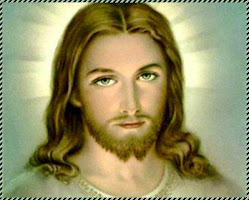
The Character of Jesus Christ
The surpassing eminence of the character of Jesus has been acknowledged by men of the most varied type:
Kant testifies to His ideal perfection;
Hegel sees in Him the union of the human and the Divine;
Spinoza speaks of Him as the truest symbol of heavenly wisdom;
the beauty and grandeur of His life overawe Voltaire;
Napoleon I, at St. Helena, felt convinced that "Between him [Jesus] and whoever else in the world there is no possible term of comparison" (Montholon, "Récit de la Captivité de l'Empereur Napoléon").
Rousseau testifies: "If the life and death of Socrates are those of a sage, the life and death of Jesus are those of a god."
Strauss acknowledges: "He is the highest object we can possibly imagine with respect to religion, the being without whose presence in the mind perfect piety is impossible".
To Renan "The Christ of the Gospels is the most beautiful incarnation of God in the most beautiful of forms. His beauty is eternal; his reign will never end."
John Stuart Mill spoke of Jesus as "a man charged with a special, express, and unique commission from God to lead mankind to truth and virtue".
These views by show the impression made on the most different classes of men by the history of Christ.
Jesus in Relation to Men
In His relation to men Jesus manifested certain qualities which were perceived by all, being subject to the light of reason; but other qualities were reserved for those who viewed Him in the light of faith. Both deserve a brief study.
(1) In the Light of Reason
It is true that at first sight the conduct of Jesus is so many-sided that His character seems to elude all description. Command and sympathy, power and charm, authority and affection, cheerfulness and gravity, are the some of the qualities that make the analysis impossible. No wonder then the various investigators have arrived at entirely different conclusion at the study of Jesus. Some call Him a fanatic, others make Him a socialist, others again an anarchist, while many call Him a dreamer, a mystic, an Essene.
(a) Strength
Considering the life of Jesus in the light of reason, His strength, His poise, and His grace are His most characteristic qualities. His strength shows itself in His manner of life, His decision, His authority. In His rugged, nomadic, homeless life there is no room for weakness or sentimentality. Indecision is rejected by Jesus on several occasions;
"No man can serve two masters"; "He that is not with me, is against me"; Seek first the kingdom of God"
These are some of the statements expressing Christ's attitude to indecision of will. Of Himself He said: "My meat is to do the will of him that sent me"; "I seek not my own will, but the will of him that sent me." The authority of the Master does not allow its power to be questioned; He calls to men in their boats, in their tax-booths, on their homes, "Follow me", and they look up into His face and obey.
St. Mathew testifies, "The multitude ...glorified God that gave such power to men"; St. Mark adds, "the kingdom of God comes to power"; St. Luke says, "Thou hast given him power over all flesh"; the Book of the Acts reads, "God anointed him...with power"; St. Paul too is impressed with "the power of our Lord Jesus". In His teaching Jesus does not argue, or prove, or threaten, like the Phrarisees, but He speaks like one having authority. Nowhere is Jesus merely a long-faced ascetic or a joyous comrade, we find Him everywhere to be leader of men.
(b) Poise
It may be said that the strength of Christ's character gives rise to another quality which we may call poise. Reason is like the sails of the boat, the will is its rudder, and the feelings are the waves thrown upon either side of the ship as it passes through the waters. The will-power of Jesus is strong enough to keep a perfect equilibrium between His feelings and His reason; His body is the perfect instrument in the performance of His duty; His emotions are wholly subservient to the Will of His Father; it is the call of complying with His higher duties that prevents His austerity from becoming excessive. There is therefore a perfect balance or equilibrium in Jesus between the life of His body, of His mind, and of His emotions.
This poise in the character of Jesus produces a simplicity which pervades every one of His actions. The life of Jesus flow quietly onward in accordance with the call of duty, in spite of pleasure or pain, honour or ignominy. Another trait in Jesus which may be considered as flowing from the poise of His character is His unalterable peace, a peace which may be ruffled but cannot be destroyed either by His inward feelings or outward encounters.
(c) Grace
Even saints are at times bad neighbours; we may like them, but sometimes we like them only at a distance. The character of Christ carries with it the trait of grace, doing away with all harshness and want of amiability. Grace is the unconstrained expression of the self-forgetting and kindly mind. It is a beautiful way of doing the right thing, in the right way, at the right time, therefore opens all hearts to its possessor.
Sympathy is the widst channel through which grace flows, and the abundance of the stream testifies to the reserve of grace. Now Jesus sympathizes with all classes, with the rich and the poor, the learned and the ignorant, the happy and the sad; He moves with the same sense of familiarity among all classes of society.
For the self-righteous Pharisees He has only the words, "Woe to you, hypocrites"; he disciples, "Unless you become as little children, you shall not enter into the kingdom of heaven." Jesus treats the publicans as His friends; He encourages the most tentative beginnings of moral growth. He chooses common fishermen for the corner stones of His kingdom, and by His kindliness trains them to become the light of the world and the salt of the earth; He bends down to St. Peter whose character was a heap of sand rather than a solid "foundation, but He graciously forms Peter into the rock upon which to build his Church. After two of the Apostles had fallen, Jesus was gracious to both, though He saved only one, while the other destroyed himself.
Women in need are not excluded from the general graciousness of Jesus; He receives the homage of the sinful woman, He consoles the sorrowing sisters Martha and Mary, He cures the mother-in -law of St. Peter and restores the health of numerous other women of Galilee, He has words of sympathy for the women of Jerusalem who bewailed His sufferings, He was subject to His mother till He reached man's estate, and when dying on the Cross commanded her to the care of His beloved disciple.
(2) In the Light of Faith
In the light of faith the life of Jesus is an uninterrupted series of acts of love for man. It was love that impelled the Son of God to take on human nature, though He did so with the full consent of His Father;
"For God so loved the world, as to give his only begotten Son" (John, iii, 16).
For thirty years Jesus shows His love by a life of poverty, labour, and hardship in the fulfillment of the duties of a common trademan. When His public ministry began, He simply spent Himself for the good of His neighbour, "doing good, and healing" (Acts, x, 38).
He shows a boundless compassion for all the infirmities of the body; He uses His miraculous power to heal the sick, to free the possessed, to resuscitate the dead.
The moral weaknesses of man move His heart still more effectively; the woman at Jacob's well, Mathew the publican, Mary Magdalen the public sinner, Zacheus the unjust administrator, are only a few instances of sinners who received encouragement from the lips of Jesus.
He is ready with forgiveness for all; the parable of the Prodigal Son illustrates His love for the sinner. His bitterest enemies are not excluded from the manifestations of His love; even while He is being crucified He prays for their pardon.
" Come to me, all you that labour, and are burdened, and I will refresh you" (Matt., xi, 28)
"Greater love than this no man hath, that a man lay down his life for his friends" (John, xv, 13)
Fulfilling the unconscious prophecy of the godless high-priest, "It is expedient for you that one man should die for the people" (John, xi, 50), He freely meets His sufferings which He could have easily avoided (Matt., xxvi, 53), undergoes the greatest insults and ignominies, passes through the most severe bodily pains, and sheds His blood for men "unto remission of sins" (Matt., xxvi, 28). But the love of Jesus embraced not only the spiritual welfare of men, it extended also to their temporal happiness: "Seek ye therefore first the kingdom of God, and his justice, and all these things shall be added unto you" (Matt., vi, 33).
B. Jesus in Relation to God
Prescinding from the theological discussions which are usually treated in the theses "De Verbo Incarnato", we may consider the relations of Jesus to God under the headings of His sanctity and His Divinity.
(1) Sanctity of Jesus
From a negative point of view, the sanctity of Jesus consists in His unspotted sinlessness. He can defy His enemies by asking, "Which of you shall convince me of sin?" (John, viii, 46). His enemies charge Him with being a Samaritan, and having a devil (John, viii, 48), with being a sinner (John, ix, 24), a blasphemer (Matt., xxvi, 65), a violator of the Sabbath (John, ix, 16), a malefactor (John, xviii, 30), a disturber of the peace (Luke, xxiii, 5), a seducer (Matt., xxvii, 63).
But Pilate finds and declares Jesus innocent, and, when pressed by the enemies of Jesus to condemn Him, he washes his hands and exclaims before the assembled people, "I am innocent of the blood of this just man" (Matt., xxvii, 24). The Jewish authorities practically admit that they cannot prove any wrong against Jesus; they only insist, "We have a law; and according to the law he ought to die, because he made himself the Son of God" (John, xix, 7). The final charge urged against Christ by His bitterest enemies was His claim to be the Son of God.
The positive side of the sanctity of Jesus is well attested by His constant zeal in the service of God. At the age of twelve He asks His mother, "Did you not know, that I must be about my father's business?". He urges on His hearers the true adoration in spirit and in truth (John, iv, 23) required by His Father. Repeatedly He declares His entire dependence on His Father (John, v, 20, 30; etc.); He always thanks His Father for His bounties (Matt., xi, 25; etc.), and in brief behaves throughout as only a most loving son can behave towards his beloved father. During His Passion one of His most intense sorrows is His feeling of abandonment by His Father (Mark, xv, 34), and at the point of death He joyfully surrenders His Soul into the hands of His Father (Luke, xxiii, 46).
(2) Divinity of Jesus
Did Jesus teach that He is God? He certainly claimed to be the Messias (John, iv, 26), to fulfill the Messianic descriptions of the Old Testament (Matt., xi, 3-5; Luke, vii, 22-23; iv, 18-21), to be denoted by the current Messianic names, "king of israel" (Luke, xix, 38; etc), "Son of David" (Matt., ix, 27; etc)
Moreover, Jesus claims to be greater than Abraham (John, viii, 53, 56), than Moses (Matt., xix, 8-9), than Solomon and Jonas (Matt., xii, 41-42); He habitually claims to be sent by God (John, v, 36, 37, 43; etc), calls God His Father (Luke, ii, 49; etc), and He willingly accepts the titles "Master" and "Lord" (John, xiii, 13, 14). He forgives sin in answer to the observation that God alone can forgive sin (Mark, ii, 7, 10; Luke, v, 21, 24; etc).
He acts as the Lord of the Sabbath (Matt., xii, 8; etc), and tells St. Peter that as "Son" He is free from the duty of paying temple-tribute (Matt., xvii, 24, 25). From the beginning of His ministry he allows Nathanael to call Him "Son of God" (John, i, 49); the Apostles (Matt., xiv, 33) and Martha (John, xi, 27) give Him the same title. Twice He approves of Peter who calls Him "the Christ, the Son of God" (John, vi, 70), "Christ, the Son of the living God" (Matt., xvi, 16). Four distinct times does He proclaim Himself the Son of God; to the man born blind (John, x, 30, 36); before the two assemblies of the Jewish Sanhedrin on the night before His death (Matt., xxvi, 63-64; Mark, xiv, 61-62; Luke, xxii, 70).
http://www.newadvent.org/cathen/08382a.htm
http://www.spaceandmotion.com/christianity-christian-jesus-christ.htm
थे तेअचिंग ऑफ़ थे APOSTLES
The Teaching of the Apostles
Jesus' apostles were the main witnesses of his life, teaching and resurrection from the dead. They are believed by most Christians to have written some of the New Testament's Gospels and Epistles.
Does the Christianity presented to us in the rest of the writings of the New Testament differ from that described in the Gospels? And if so, is the difference one of kind or one of degree? Christianity was never meant to be fully set forth in the Gospels, where it is presented mainly in action.
"I have yet many things to say to you: but you cannot bear them now", said Christ in His last discourse. "But when he, the Spirit of truth is come, he will teach you all truth . . . and the things that are to come he shall show you" (John, xvi, 12, 13).
We may presume that Christ Himself told them these many things when "He showed himself alive after his passion, by many proofs, for forty days appearing to them, and speaking of the kingdom of God" (Acts, i, 3), and that they were rendered permanent in the minds of the Apostles by the indwelling of the Spirit of Truth after Pentecost.
Accordingly, we must expect to find in their teaching a more formal, more theoretic, and more dogmatic exposition of Christianity than in the drama of Christ's life. But what we have no right to expect, and what rationalists always do expect, is to find the whole of Christianity in its written records. Christ nowhere prescribed writing as a means of promulgating His gospel. It was comparatively late in the Apostolic Age, and apparently in obedience to no preconceived plan, that the sacred books began to appear.
The main heads of the Apostolic preaching, as far as we can gather from the records, vary with the character of the audiences they addressed. To the Jews they dwelt upon the marvelous fulfillment of the prophesies in Christ, showing that, in spite of the manner of His life and death, He was actually the Messias, and that their redemption from sin had really been accomplished by His sacrifice on the Cross. This was the burden of St. Peter's discourses (Acts, ii and iii) and those of St. Stephen and all who addressed the Jews in their synagogues (cf. Acts, xxvi, 22-23).
http://www.newadvent.org/cathen/03712a.htm
http://www.spaceandmotion.com/christianity-christian-jesus-christ.htm
थे तेअचिंग ऑफ़ CHRIST
The Teaching of Christ
Taking Christ's own dogmatic and moral teaching, we may divide it into (a) what He did not reveal but only reaffirmed, (b) what He drew from obscurity, and (c) what He added to the sum total of belief and practice.
(a) Christ reaffirmed, purified, and confirmed the Jewish theology, both moral and dogmatic. He asserted the spiritual nature of the Godhead (John, i, 18; iv, 24), and insisted on the importance of worshipping Him in spirit, i.e. with more than merely external rites. And he exacted the same right dispositions of heart in the whole of God's service, showing how both guilt and merit depend on the will and intention (Matt., v, 28; xv, 18).
He recalled the original unity and indissolubility of the marriage-tie. He brought into prominence the immortality, and hence the transcendent importance, of the human soul (Matt., xvi, 26), as against the heresy of the Sadducees and the worldliness of the Jews in general. In all these points He fulfilled the Law by showing its real and full significance.
(b) Taking the great central precept of the Old Dispensation — the love of God — He pointed out all its implications and made clear that the doctrine of the Fatherhood of God, so imperfectly grasped under the law of fear, was the immediate source of the doctrine of the brotherhood of men. He never tired of dwelling on the loving kindness and the tender providence of His Father, and He insisted equally on the duty of loving all men, summing up the whole of His ethical teaching in the observance of the law of love (Matt., v, 43; xxii, 40).
This universal charity He designed to be the mark of His true followers (John, xiii, 45), and in it, therefore, we must see the genuine Christian spirit, so distinct from everything that had hitherto been seen on earth that the precept which inspired it He called "new" (John, xiii, 34).
Christ's clear and definite teaching, moreover, about the life to come, the final judgment resulting in an eternity of happiness or misery, the strict responsibility which attaches to the smallest human actions, is in great contrast to the current Jewish eschatology. By substituting eternal sanctions for earthly rewards and punishments, He raised and ennobled the motives for the practice of virtue, and set before human ambition an object wholly worthy of the adopted sons of God, the extension of their Father's Kingdom in their own souls and in the souls of others.
(c) Among the doctrines added by Christ to the Jewish faith, the chief, of course, are those concerning Himself, including the central dogma of the whole Christian system, the Incarnation of God the Son. In regard to Himself, Christ made two claims, though not with equal insistence.
He asserted that He was the Messias of Jews, the expected of the nations, Whose mission it was to undo the effects of the Fall and to reconcile man with God; and He claimed to be Himself God, equal to, and one with, the Father. In support of this double claim, He pointed to the fulfillment of the prophecies, and He worked many miracles.
Most modern rationalists (Harnack, Wellhausen, and others) acknowledge that Christ from the beginning of His preaching knew Himself as the Messias, and accepted the various titles which belong in the Scripture to that personage — Son of David, Son of Man (Dan., vii, 13), the Christ (see John, xiv, 24; Matt., xvi, 16; Mark, xiv, 61, 62). In one passage (a very significant one), He applies the name to Himself;
"But this is eternal life: That they may know thee, the only true God, and Jesus Christ, whom thou hast sent" (John, xvii, 3).
Christ took up the burden of the preaching of His precursor and proclaimed the advent of the Kingdom of God, or the Kingdom of Heaven, a conception already familiar in the Old Testament [Ps. cxliv (A. V., cxlv), 11-13], but furnished with a wider and more varied content in the words of Christ.
It may be taken to mean, according to the context, the Messianic Kingdom in its true spiritual sense, i.e. the Church of God which Christ came to found, wherein to store up and perpetuate the benefits of the Incarnation (cf. The parables of the wheat and the tares, the dragnet, and the wedding feast), or the reign of God in the heart that submits to His sovereignty (Luke, xxvi, 21), or the abode of the blessed (Matt., v, 20 etc.).
It was the main topic of His preaching, which was occupied in showing what dispositions of mind and heart and will, were necessary for entrance into "the Kingdom", what, in other words, was the Christian ideal. Regarded as the Church, He preached the Kingdom to the multitude in parables only, reserving fuller explanations to private intercourse with His Apostles (Acts, i, 3).
The last great dogma which we learn from the life, preaching, and death of Christ is the doctrine of Redemption. "For the Son of Man also came not to be ministered unto but to minister, and to give His life a redemption for many" (Mark, x, 45).
The sacrificial character of His death is clearly stated at the Last Supper;
"This is my blood of the new testament, which shall be shed for many unto remission of sins" (Matt., xxvi, 28).
And He ordained the perpetuation of that Sacrifice by His Disciples in the words;
"Do this in commemoration of me" (Luke, xxii, 19).
On the moral teachings of Christ. Duty was the principal motive in the Old Dispensation; in the New this was sublimated into love. Men were taught to serve not on account of the penal ties attached to non-service, but on principles of generosity. "What things are pleasing to Him, these do I always" (John, viii, 29), and by action even more than by word Christ taught the lesson of voluntary self-sacrifice. Never till His time were the Evangelical counsels — voluntary poverty, perpetual chastity, and entire obedience — preached or practised.
From no previous moral code, however, exalted, could the Beatitudes have been evolved. Meekness and humility were unknown as virtues to the heathen, and despised by the Jew. Christ made them the ground-work of the whole moral edifice. To realize what new thing Christ's ethical teaching brought into the world and put within the grasp of everyone, we have only to think of the great host of the Christian saints. For they are the true disciples of the Cross, those who imbibed and expressed His spirit best, who had the courage to test the truth of that Divine paradox which forms the substance of Christ's moral message;
" He that shall wish to save his soul shall lose it, but he that shall lose his soul on my account shall find it" (Matt., xvi, 25; cf. Mark, viii, 35; Luke, ix, 24; xvii, 33; John, xii, 25).
That was the course He Himself adopted — the way of the Cross — and His disciples were not above their Master. Self-conquest as a preliminary to conquering the world of God — that was the lesson taught by Christ's life, and still more by His passion and death.
http://www.spaceandmotion.com/christianity-christian-jesus-christ.htm
में बेलिएफ्स ऑफ़ CHRISTIANITY
Main Beliefs of Christianity
The central belief of Christianity is that by faith in the sacrificial death and resurrection of Jesus, individuals are saved from death - both spiritual and physical - by redemption from their sins (i.e. faults, misdeeds, disobedience, rebellion against God). Through God's grace, by faith and repentance, men and women are reconciled to God through forgiveness and by sanctification or theosis to return to their place with God in Heaven.
The emphasis on God giving his son, or the Son (who is God) coming down to earth for the sake of humanity, is an essential difference between Christianity and most other religions, where the emphasis is instead placed solely on humans working for salvation.
The most uniform and broadly accepted tradition of doctrine, with the longest continuous representation, repeatedly reaffirmed by official Roman Catholic, Orthodox, and Protestant definitions (although not without dissent) asserts that specific beliefs are essential to Christianity, including but not limited to:
God is a Trinity, the single eternal being existing in three persons: Father, Son (Divine Logos, incarnated as Jesus Christ), and Holy Spirit.
Jesus is both fully God and fully human, two "natures" in one person.
Mary, the mother of Jesus, bore in her womb and gave birth to the Son of God (who is, himself, likewise God), who although eternally existent was formed in her womb by the Spirit of God. From her humanity he received in his person a human intellect and will, and all else that a child would naturally receive from its mother.
Jesus is the Messiah hoped for by the Jews, the heir to the throne of David. He reigns at the right hand of the Father with all authority and power forevermore. He is the hope of all mankind, their advocate and judge. Until he returns at the end of the world, the Church has the authority and obligation to preach the Gospel and to gather new disciples.
Jesus was innocent of any sin. Through the death and resurrection of Jesus, believers are forgiven of sins and reconciled to God.
Jesus will return personally, and bodily, to judge all mankind and receive the faithful to himself, so they will live forever in the intimate presence of God.
Some Christians, particularly in the West, refer to the Bible as the "Word of God." Other Christians, particularly in the East, believe that Jesus alone is the Word of God, and see Scripture as an authoritative book, inspired by God but written by men. As a result of these differing views, many Christians disagree to varying degrees about how accurate the Bible is and how it should be interpreted.
http://en.wikipedia.org/wiki/Christianity
http://www.spaceandmotion.com/christianity-christian-jesus-christ.htm
Iscriviti a:
Post (Atom)